
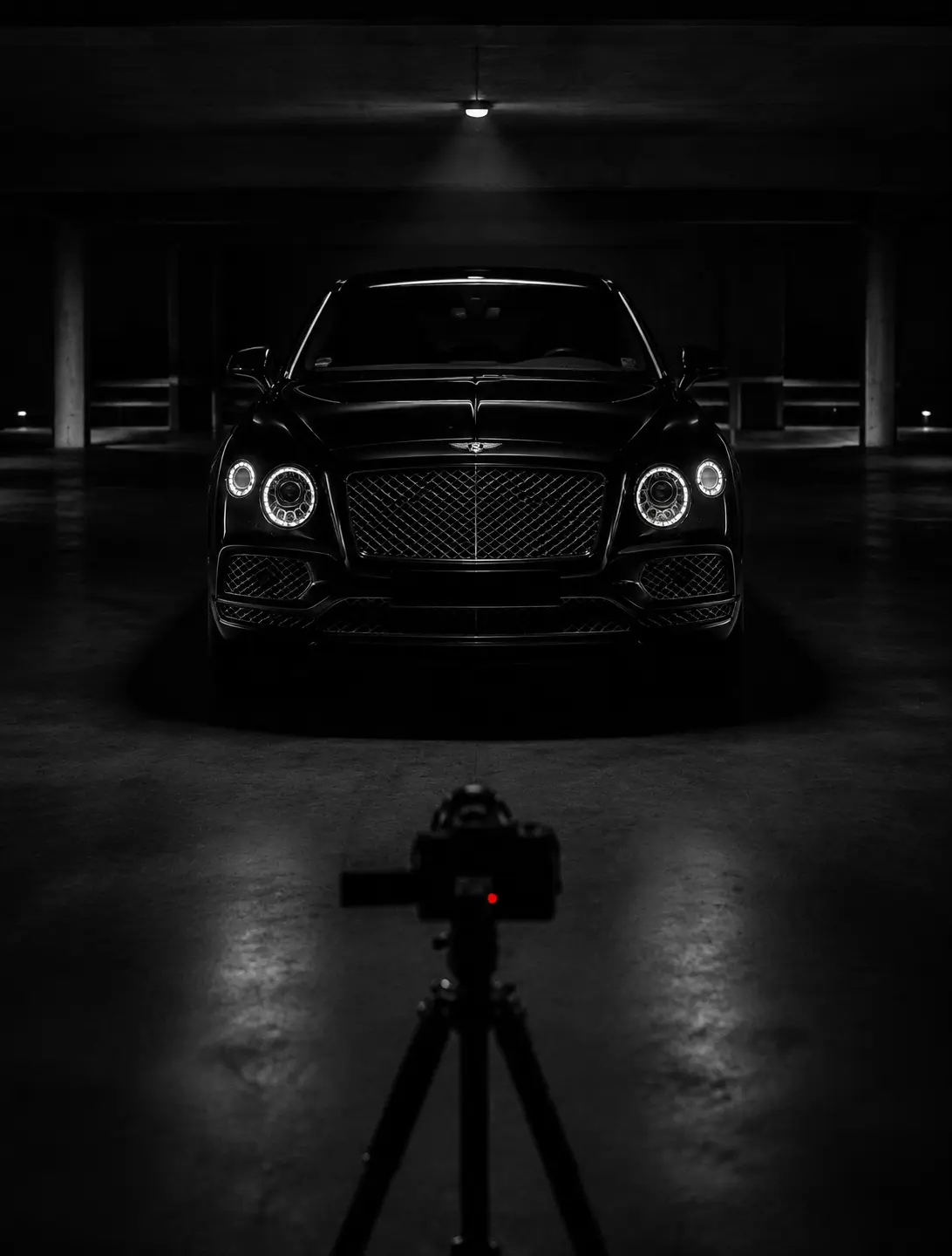
There is a small movement people make when a lens turns toward them. The back straightens. The hand becomes aware of itself. A sentence that would have arrived plainly is given a better jacket before it leaves the mouth.
None of this is dishonest. It is human. Attention changes the temperature of a room, and a camera is attention made visible.
The problem begins when the person holding the camera mistakes that adjustment for the person. A performance appears, the frame rewards it, and everyone leaves with a polished version of something that never quite happened.
The camera is a guest. It is invited into the room, and it behaves accordingly.
Observation asks for a different posture. It is patient enough to let the first answer pass. It does not rush to fill the silence that follows. It understands that the sentence someone prepared is usually less revealing than the breath they take after saying it.
Attention wants a result. Observation wants accuracy.
That distinction matters because most of the people worth documenting are already experts at being useful to someone else. The tailor is reading posture before the client sees the mirror. The driver is listening to a conversation without entering it. The person responsible for the room has noticed the problem before the room knows it has one. Their craft depends on awareness, not announcement.
Put a conventional camera in front of that person and the work can disappear beneath the story they think they are expected to tell. They begin explaining the title instead of revealing the practice. They give us the version that fits beneath a lower third.
The first answer is often the least interesting one.
So we spend time before we record. Not to rehearse the subject, but to remove the need for rehearsal. We learn the room. We learn the voice. We learn how long a silence can remain before someone tries to rescue it.
This is not a trick for extracting confession. B.O.B. is not interested in ambush. The subject knows what the work is, what it is not, and what is being asked of them. Trust does not require a lack of boundaries. It requires boundaries clear enough that a person can stop protecting themselves from the production.
When that happens, the body returns. The shoulders find their natural height. The chosen words begin to loosen. A person may stop answering the question and begin remembering why the answer matters.
That is usually when the film starts.
Small talk gets cut. Rehearsed thoughts get cut. Anecdotes designed to impress get cut.
What remains is not necessarily dramatic. It may be a hand checking the same seam twice. A pause before naming the person who taught them. The way someone lowers their voice when they speak about the part of the job no customer will ever notice.
Those moments are small in scale and large in implication. They reveal a culture through the standards people maintain when applause is unavailable.
Being seen is not the same as being observed.
To be seen can mean being recognized by a crowd. To be observed, in the sense we mean it, is to have someone notice the logic beneath your choices. It is the difference between admiring the finished room and understanding who arrived early enough to make the room feel inevitable.
The first creates visibility. The second creates a record.
This is why fame is neutral. A well-known person may be a remarkable subject, but the recognition attached to their face does not make the film more truthful. Craft is the qualification. The camera owes the same seriousness to the unknown mechanic as it does to the celebrated artist, because the archive is not a ranking of public attention. It is a record of what keeps the culture moving.
There is one final responsibility. Once a person stops performing, the production cannot exploit the trust that made the moment possible. Restraint is not only an aesthetic. It is respect. We do not use every vulnerable sentence because we captured it. We do not mistake access for ownership. The final cut is defined as much by what it protects as by what it reveals.
A good subject should recognize themselves in the finished work, including the parts they had not realized were visible. A good audience should feel that they were allowed close without being invited to consume the person in front of them.
Then the credits fade. The room is quiet again. And somewhere inside the silence is the sentence a person only says once.